Another birthday morning has come around. After a bowl of seaweed soup (that I'd like to think Mom made 🥲), I arrived at the clinic and am writing a short piece about my Botox treatments.
"Botox is the same wherever you get it." I hear this all the time in consultations. I smile and let it pass, but honestly, it stings a little. So today I've decided to talk about it properly: why Botox is not all the same, and how it can become an entirely different treatment.
Botox is a medicine that lets muscles rest for a while
The principle is simple. Muscles move in response to signals from nerves, and Botox temporarily blocks the pathway through which these signals reach the muscle. A muscle that doesn't receive the signal exerts less force, and the wrinkles or bulky contours it created soften. After a few months, the nerve forms a new pathway and the muscle returns to normal.
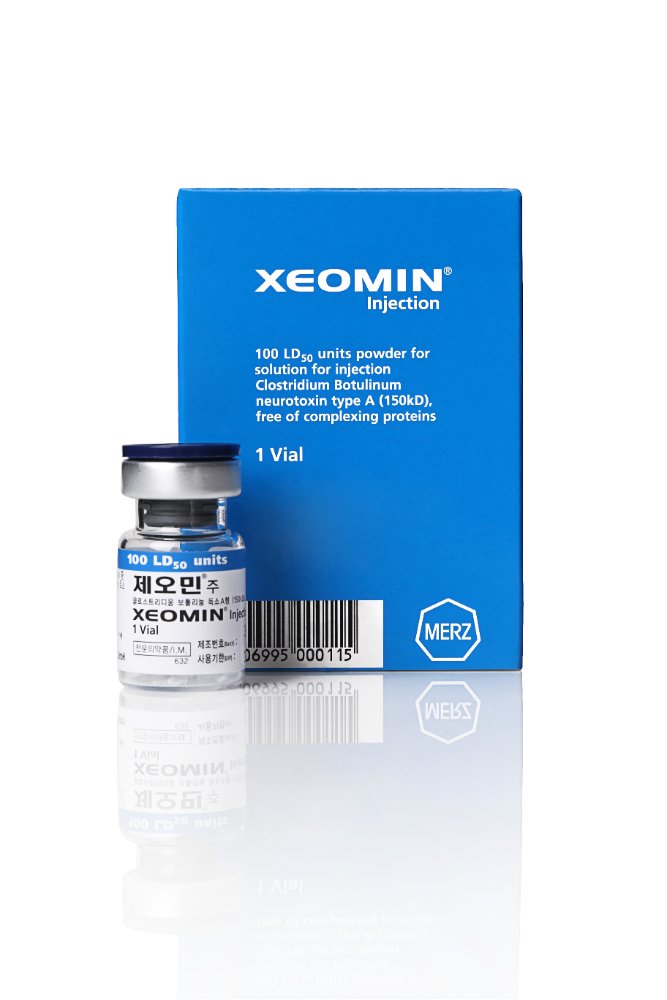
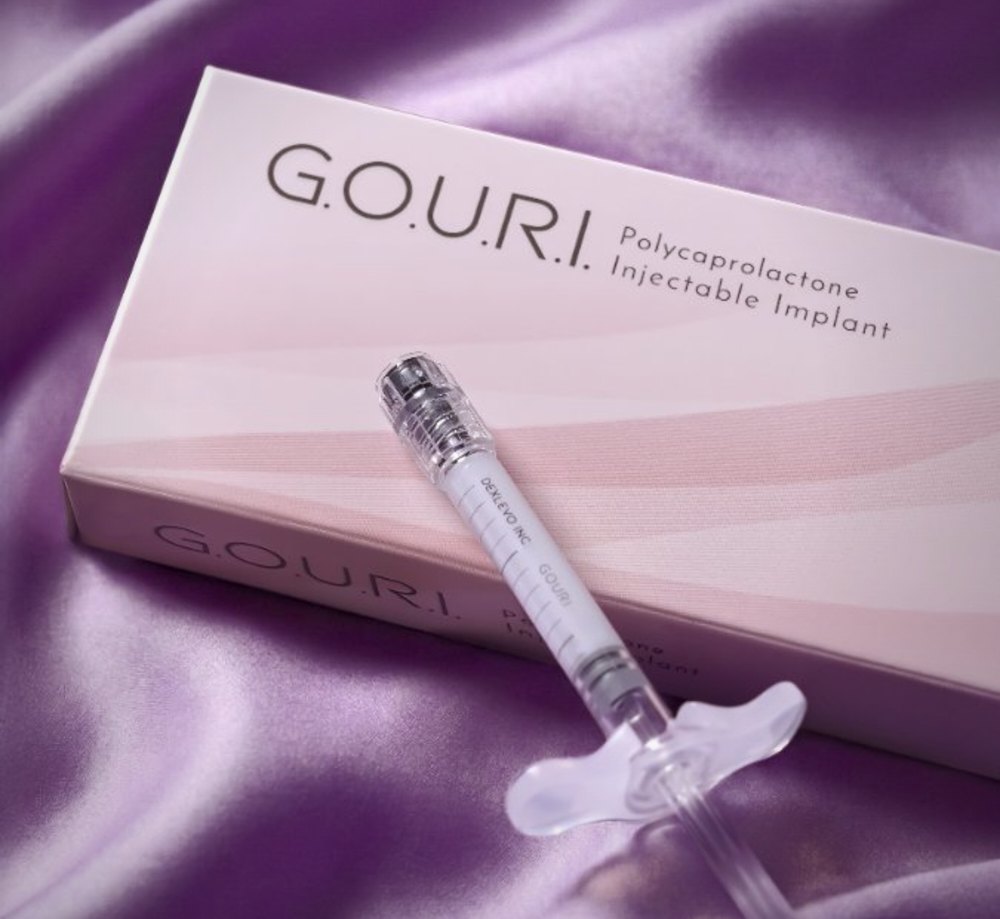
A botulinum toxin preparation. Even with the same medicine, results depend on where, how much and at what concentration it is injected.
This is how ordinary Botox is done
The Botox most people get looks roughly like this. There are set areas — forehead, glabella, crow's feet, square jaw — and a set amount goes into set points for each. You follow the standard textbook positions, inject a few dots, and you're done. It's fast and easy, and for the most part it works reasonably well. So I can understand why people say "it's all the same."
The problem is that human faces aren't shaped like textbooks.
Doctors who truly know the small muscles are fewer than you think
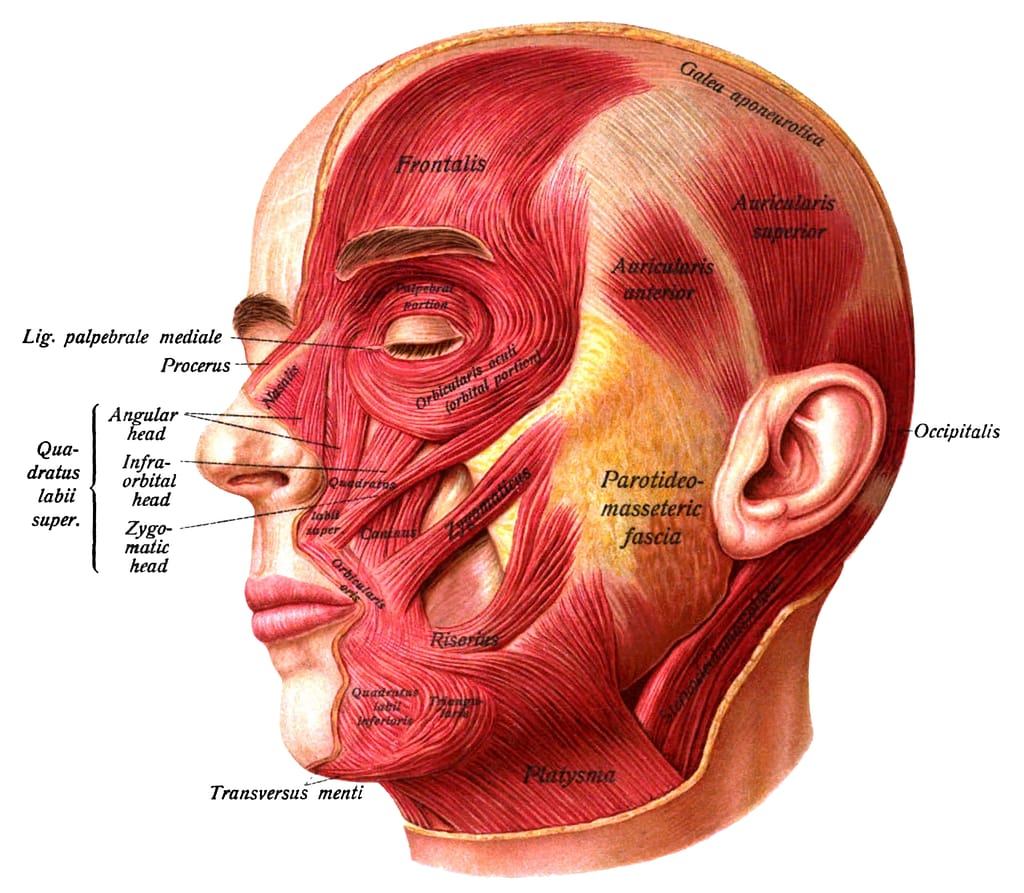
The face has this many expression muscles overlapping and interlocking with one another.
The face has more than twenty expression muscles: muscles that raise the forehead, furrow the brow, wrinkle the bridge of the nose, and pull down the corners of the mouth. Most are no bigger than a fingernail or as thin as a thread, and they overlap and intertwine.
For example, the corrugator supercilii, which furrows the brow, runs from the frontal bone at the inner brow to the skin at the middle of the eyebrow, while the depressor anguli oris, which pulls down the corners of the mouth, rises from the oblique line of the mandible to the corner of the mouth. You need to be able to picture in 3D exactly which part of which bone each muscle starts from, where it ends, and which muscles run right beside it. Miss by just a few millimeters and the wrong muscle weakens — the brows droop, or the smile looks unnatural.
But doctors who truly know this precisely are — and I say this carefully, but honestly — fewer than you might think. I have spent a very long time learning where each of these small muscles begins and ends. Perhaps that is why it stings all the more.
The same smile uses different muscles in different people
Knowing where the muscles are isn't enough. That's because which muscles move together, and how much, when making an expression varies enormously from person to person.
- Some people smile a lot with their eyes. They tend to develop deeper crow's feet.
- Some people scrunch the bridge of the nose when they smile. This happens when the nasalis muscle beside the nose is heavily involved, creating so-called 'bunny lines.'
- When moving the mouth, some people's mouth corners move sideways, others' move downward, and for others the chin puckers along with it.
That's why, before treatment, I always ask patients to make various expressions several times — to smile, to frown, to talk. In those brief moments I can see which muscles play the lead and which play supporting roles. Only by reading that can I decide where and how much to inject.
High concentration, delicate technique — and everything changes
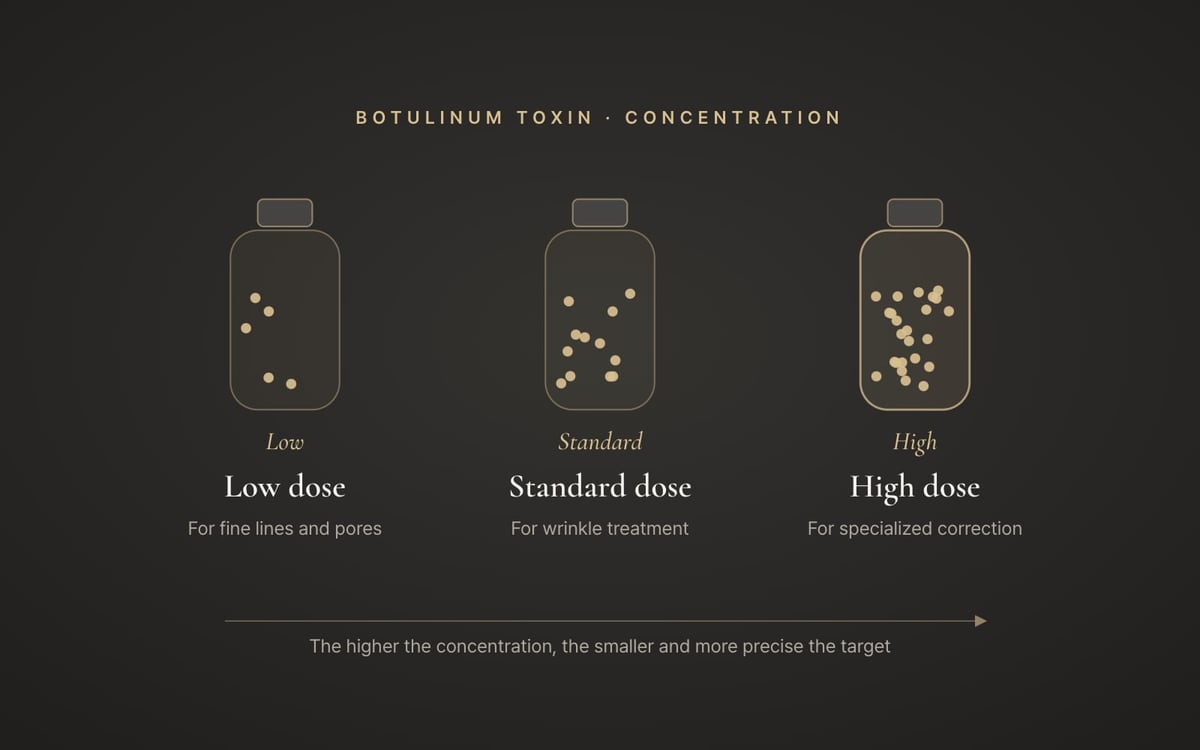
This is the part I really wanted to talk about. When Botox is prepared at a high concentration, a very small amount can act precisely on just the intended muscle. Because the medicine spreads less to the sides, you can target a single small muscle.
This greatly expands what Botox can do.
- Expression correction — Balance can be refined in expressions such as a smile that lifts only one corner of the mouth, a habitual frown that looks angry, or a chin that puckers when speaking.
- Reassigning muscle roles — When a troublesome muscle that creates wrinkles is rested, other muscles that were underused take over its role. Guided consistently, the substitute muscles are used more and more, and the expression habit itself begins to change.
Not a treatment that 'erases' wrinkles, but one that 'rewrites' expression. That's how I think of Botox.
So when you say it's all the same, it stings a little
Having written all this, I feel a little sheepish. Haha. Still, I wanted to say it at least once. Even with the same medicine, Botox becomes an entirely different treatment depending on how deeply one understands the face and how delicately one handles it.
If you think all Botox is the same, try it once at Spade — you'll change your mind.